
Understanding the Link Between Childhood Trauma and Emotional Outbursts

Childhood trauma leaves marks that often go unseen but deeply felt. When children experience trauma, their behavior can change in ways that puzzle adults. Emotional outbursts and meltdowns are common reactions, but they are not just random acts of defiance or misbehavior. These reactions often come from a deep need for connection and safety with loved ones. Understanding this link helps caregivers respond with empathy and support rather than frustration.

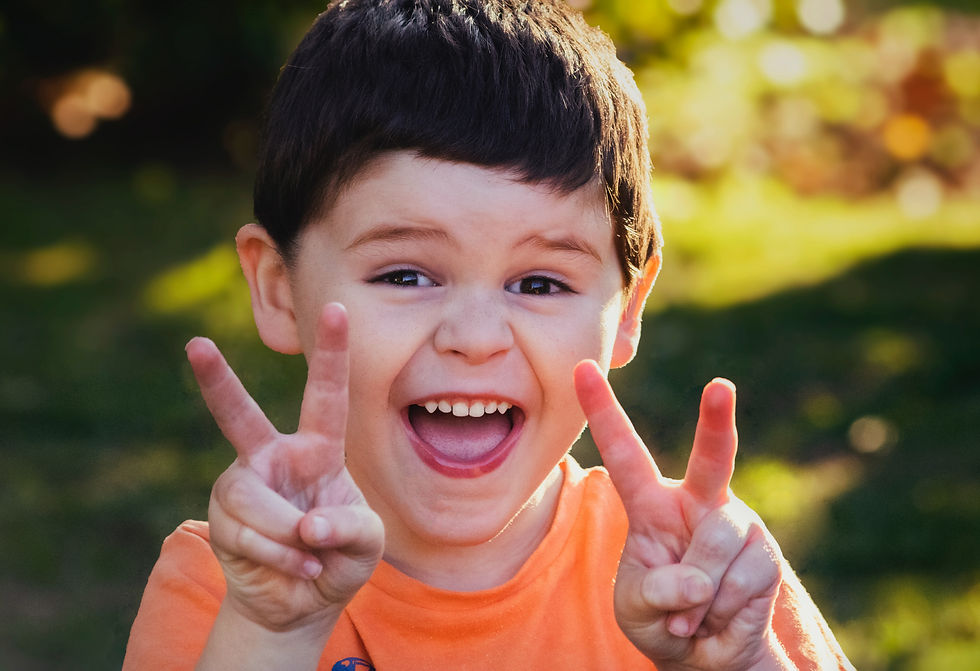
Image caption: A child sitting quietly on a playground bench, reflecting the emotional weight trauma can carry.
How Trauma Affects Children's Behavior
Trauma can come from many sources: abuse, neglect, loss of a loved one, witnessing violence, or even prolonged stress. When children face such experiences, their brains and bodies react in ways designed to protect them. These reactions can include:
Heightened anxiety or fear
Difficulty regulating emotions
Sudden outbursts or meltdowns
Withdrawal or avoidance of social situations
These behaviors are often misunderstood as willful misbehavior. In reality, they are survival responses. For example, a child who has experienced trauma may suddenly scream or cry uncontrollably when faced with a minor frustration. This reaction is not about the frustration itself but about the child’s overwhelmed nervous system trying to cope.
Why Trauma Leads to Emotional Outbursts
Emotional outbursts are often a child’s way of expressing feelings they cannot put into words. Trauma can disrupt a child’s ability to communicate calmly or regulate emotions. When overwhelmed, the child may react with intense emotions to regain a sense of control or to signal distress.
One key reason for these outbursts is the child’s deep desire for connection. Trauma can make children feel isolated or unsafe. Their meltdowns may be cries for help, attempts to reconnect with caregivers or loved ones who provide safety and comfort.
For example, a child who has lost a parent might act out in anger or sadness during moments of separation from a caregiver. This behavior is not just about the immediate situation but reflects the child’s fear of losing connection again.
Real-Life Examples to Understand Behavior
Consider Emma, a 7-year-old who experienced neglect early in life. At school, she often has sudden tantrums when asked to join group activities. To teachers, Emma seems defiant. But her behavior stems from fear of rejection and a lack of trust in others. Her outbursts are her way of protecting herself from potential hurt.
Another example is Liam, a 5-year-old who witnessed domestic violence. He sometimes freezes or cries uncontrollably when loud noises occur. His reactions are linked to memories of trauma, and his emotional outbursts are attempts to process overwhelming feelings.
These examples show that emotional outbursts are not random but connected to past experiences and unmet emotional needs.
How Caregivers Can Support Traumatized Children
Supporting children who have experienced trauma requires patience, understanding, and consistent care. Here are some practical ways caregivers can help:
Create a safe environment: Consistency and predictability help children feel secure.
Validate feelings: Acknowledge the child’s emotions without judgment. Say things like, “I see you’re upset, and that’s okay.”
Use calm communication: Speak softly and clearly to help the child feel safe.
Offer physical comfort: Hugs or holding hands can reassure children, but always respect their boundaries.
Teach coping skills: Help children learn simple ways to calm down, such as deep breathing or counting.
Build connection: Spend quality time together, showing love and attention.
These steps help children feel understood and supported, reducing the frequency and intensity of emotional outbursts.
The Role of Empathy in Healing
Empathy is crucial when responding to children affected by trauma. Instead of punishing or dismissing outbursts, caregivers can try to see the behavior as a form of communication. Asking questions like, “What are you feeling right now?” or “How can I help you feel safe?” opens the door to connection.
Empathy also means recognizing that healing takes time. Children may need repeated reassurance and support to rebuild trust and emotional regulation skills.
Visualizing the Impact of Trauma on Behavior
Imagine a child’s emotional world as a glass of water. Trauma adds drops of stress and fear, filling the glass quickly. When the glass overflows, the child’s emotions spill out as meltdowns or outbursts. Caregivers can help by gently removing some drops—through comfort, understanding, and connection—so the child can manage emotions better.
Understanding the connection between trauma and emotional outbursts changes how we respond to children in distress. These behaviors are not signs of weakness or bad behavior but signals of deep emotional needs. By offering empathy, patience, and support, caregivers can help children heal and build stronger bonds.
If you are caring for a child who struggles with emotional outbursts, remember that your calm presence and consistent love are powerful tools. Consider seeking support from professionals who specialize in trauma-informed care to guide you and the child through healing.
By Cheyenne Lofthouse-Wolf
Founder of The Thriving Parent & Family Model


Comments